

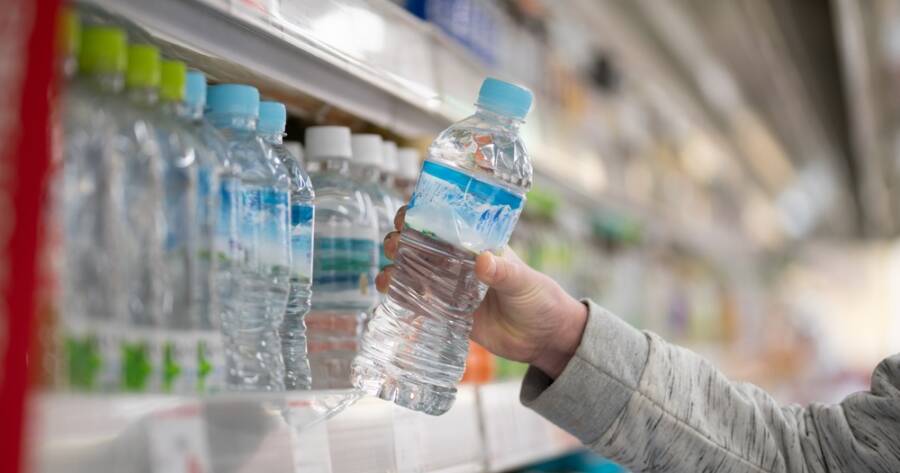
Bottled water is a staple in many households, offering convenience and perceived purity. However, not all bottled waters are created equal. With variations in source, taste, packaging, and environmental impact, identifying key differences is crucial for informed consumer choices. Understanding the diverse world of bottled water can help individuals align their selections with personal preferences and values.
Types of Bottled Water
Bottled water can be broadly categorized into several types: spring water, purified water, mineral water, and alkaline water. Spring water, such as Arrowhead and Crystal Geyser, is sourced from natural springs and contains naturally occurring minerals, which often contribute to a more natural taste and higher ecological ranking (source).
Purified water, like Aquafina and Pure Life, is essentially treated tap water that undergoes purification processes to remove impurities. These brands may add minerals for taste but often rank lower due to their less natural sourcing (source).
Mineral water, such as San Pellegrino and Perrier, is naturally sourced and contains dissolved minerals like calcium, magnesium, and potassium, which can influence both taste and mouthfeel. Alkaline water, including brands like Essentia and Core Hydration, has a higher pH level than regular drinking water and is often marketed toward consumers looking for a smoother taste or a wellness-focused option.
Taste and Quality
The taste of bottled water can vary widely depending on its source and mineral content. For instance, Saratoga water, sourced from a spring in New York, is praised for its smoothness and mineral-rich taste, making it a top choice for those seeking premium quality (source). Similarly, Icelandic Glacial water, with its high pH and low mineral content, offers a clean and smooth taste, attributed to its natural filtration through lava rock (source).
Environmental Impact
Packaging plays a crucial role in the environmental impact of bottled water. Brands like Just Water and Proud Source are lauded for their sustainable packaging solutions, such as plant-based and aluminum bottles, which significantly reduce environmental impact (source). Liquid Death, for example, uses eco-friendly canned packaging made from 70% recycled material, highlighting the importance of sustainable practices in the bottled water industry (source).
Price and Accessibility
Price is another factor that influences consumer choice. Poland Spring offers a budget-friendly option with naturally occurring electrolytes, making it an affordable choice for many households (source). On the other hand, premium brands like Voss and Fiji are known for their distinct taste and luxurious packaging, often found in high-end settings (source).
Why You Should Learn More About Bottled Water Today
Understanding the differences between bottled water brands can significantly impact consumer choices, not only in terms of taste and quality but also regarding environmental and economic considerations. With a wide range of options available, from budget-friendly to premium, and from eco-conscious to traditional packaging, consumers have the power to make choices that align with their values and lifestyle needs.
By exploring the various aspects of bottled water, individuals can make informed decisions that benefit both their health and the environment. Who knew so much difference lay in the choice of water you drink?