

Huntington’s disease, a rare genetic disorder, profoundly impacts movement, cognition, and mental health, typically emerging in adulthood. With no current cure, knowing its symptoms, diagnosis, and management is vital for affected individuals and their families. Understand the latest research, treatment options, and the importance of genetic counseling in navigating the challenging condition.
Understanding Huntington’s Disease
Huntington’s disease is a rare, inherited neurological disorder that leads to the progressive degeneration of nerve cells in the brain. This condition affects movement, cognitive abilities, and mental health, often manifesting in adults in their 30s or 40s.
It is caused by a mutation in the *HTT* gene, which results in the production of an abnormal protein that damages brain cells (source). The disease follows an autosomal dominant inheritance pattern, meaning each child of an affected parent has a 50% chance of inheriting the condition (source).
Symptoms and Diagnosis
Symptoms of Huntington’s disease can vary widely but typically include involuntary movements such as chorea, muscle rigidity, and difficulties with speech and swallowing. Cognitive symptoms may involve trouble with organizing, focusing, and impulse control, while mental health issues often include depression, irritability, and social withdrawal (source). Juvenile Huntington’s disease, which occurs before age 20, presents differently with symptoms like behavioral changes, muscle rigidity, tremors, and seizures (source).
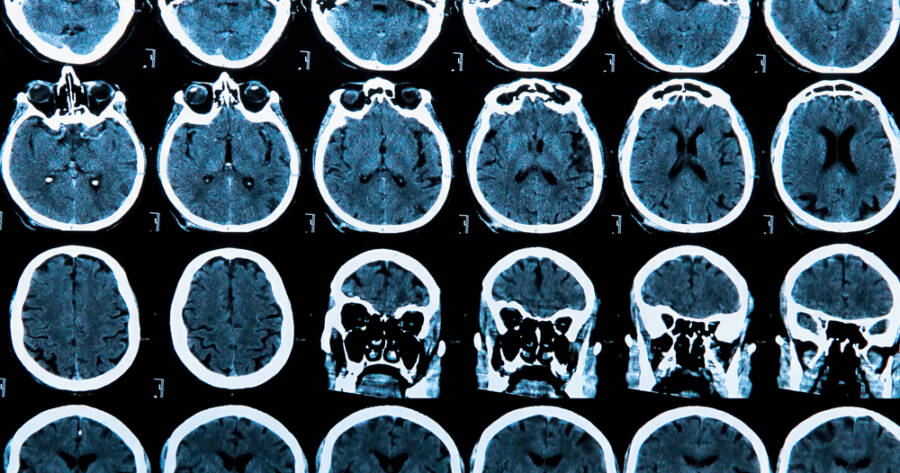
Diagnosis of Huntington’s disease involves a combination of medical history evaluation, neurological exams, and genetic testing to confirm the presence of the *HTT* gene mutation. Brain imaging may also be used to assess damage, although changes in brain structure are not exclusive to Huntington’s disease (source).
Treatment and Management
Currently, there is no cure for Huntington’s disease, but treatments are available to manage symptoms. Medications such as VMAT2 inhibitors, antidepressants, and antipsychotics can help control movement disorders and mood changes (source).
Supportive care includes physical therapy, nutritional support, and counseling to help maintain independence and quality of life. Genetic counseling is also recommended for individuals with a family history of the disease to help make informed decisions about reproduction and future planning (source).
Research and Future Directions
Research is ongoing to better understand the mechanisms of Huntington’s disease, including the role of the Huntingtin protein and potential drug targets. Studies are exploring biomarkers, stem cell research, and gene-editing techniques to develop new treatments.
Clinical trials are crucial for advancing research, and participation from diverse volunteers helps ensure that findings are applicable to a broad population (source). Because Huntington’s disease affects people differently across families, ages, and backgrounds, diverse clinical trial participation is important for determining whether future treatments are broadly useful, safe, and accessible.
Why You Should Learn More About Huntington’s Disease
Understanding Huntington’s disease is crucial for those affected by the condition and their families. With its complex symptoms and significant impact on quality of life, staying informed about the latest research and treatment options can help manage the disease more effectively. Genetic counseling and testing provide valuable insights for family planning and future decision-making.
As research progresses, new therapies and interventions may offer hope for improved management and potentially a cure. Engaging with support groups and healthcare professionals can also provide essential resources and assistance for navigating the challenges of Huntington’s disease.