

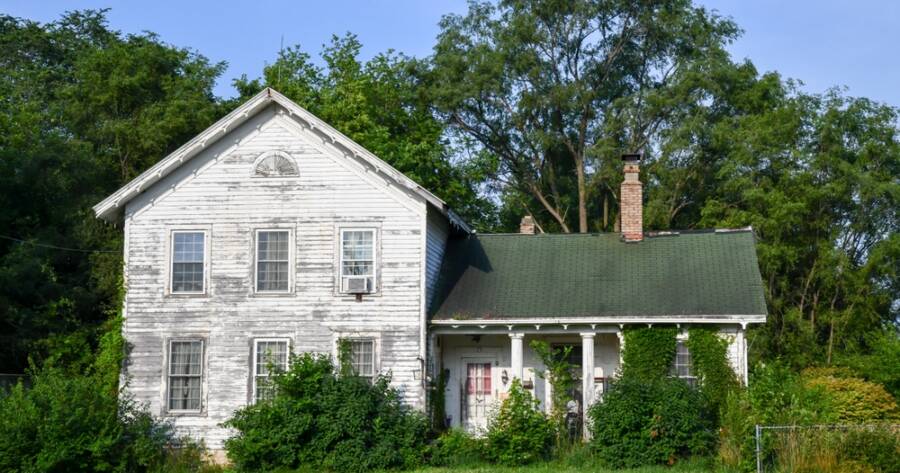
Abandoned houses pose significant challenges for communities, leading to blight, financial strain, and safety concerns. Effective management requires balancing property owner rights with community welfare, employing strategies like maintenance codes and early warning systems. Legal and financial considerations, alongside methods for acquiring abandoned properties, offer pathways to revitalization and investment, benefiting both individuals and neighborhoods.
The Challenges of Abandoned Houses
Abandoned houses present a significant challenge for municipalities and communities. These properties can lead to community blight, financial strain, and safety concerns.
Managing abandoned houses effectively requires a delicate balance between respecting property owners’ rights and ensuring community welfare. Municipalities often adopt ordinances to maintain property upkeep, which provide a framework for notifying owners of necessary repairs and allow for municipal intervention if owners fail to act (source).
Strategies for Managing Abandoned Properties
Several strategies can be employed to manage abandoned properties effectively. One approach is the adoption of the International Property Maintenance Code, which sets maintenance standards for existing structures to ensure public health and safety. Additionally, municipalities can use early warning databases to identify at-risk properties before they become problematic, facilitating early intervention and coordination among local government departments (source).
Another strategy involves the use of Minimum Maintenance Ordinances (MMOs), which establish district-wide property care standards to prevent deterioration and maintain community aesthetics. However, enforcement can be challenging due to resource constraints. Visual enhancement treatments, such as artwork in vacant windows, can temporarily improve the appearance of abandoned buildings, mitigating negative perceptions and supporting community pride (source).
Legal and Financial Considerations
Legal and financial considerations are crucial when dealing with abandoned houses. For instance, the City of San Francisco mandates that owners of vacant real property must register their property with the city within 30 days of it becoming vacant. This ordinance aims to improve neighborhood appearances and ensure accountability among property owners (source).
Financial incentives, such as facade grants and tax credits, can encourage property owners to invest in building renovations, balancing the need for community improvement with property owners’ responsibilities. Additionally, vacant building registries require owners to register and maintain vacant properties, providing municipalities with contact information and generating revenue through fees to offset monitoring costs (source).
Finding and Acquiring Abandoned Houses
For those interested in acquiring abandoned houses, several methods can be employed to identify and purchase these properties. Researching public records is a crucial first step, involving visits to local county assessor offices or their websites to access property tax records, foreclosure notices, and building permits. Utilizing online tools, such as real estate websites and local government platforms, can also aid in locating abandoned houses (source).
Physically driving through neighborhoods is another effective method to identify abandoned houses, with signs such as overgrown yards and boarded-up windows indicating potential abandoned properties. Networking with local real estate agents can provide insights into properties not listed on the market and help connect with owners willing to sell (source).
Why You Should Learn More About Abandoned Houses Today
Understanding the complexities of abandoned houses is essential for anyone interested in real estate investment or community development. These properties, while challenging, offer unique opportunities for revitalization and investment.
By learning more about the legal, financial, and strategic aspects of managing and acquiring abandoned houses, individuals and communities can unlock the potential of these properties and contribute to neighborhood improvement. Whether through direct investment or community initiatives, addressing the issue of abandoned houses can lead to significant benefits for both individuals and the broader community.